
23-24 April 2026 / Budapest

The World Adaptation Forum is an urgently needed space where reality isn’t denied but embraced with honesty and courage. The conversations here don’t avoid complexity — they meet it head-on. I left feeling both grounded and deeply connected to a community that truly understands what’s at stake.
David Korowicz

Most conferences carefully avoid hard truths. WAF fearlessly runs toward them with clarity, compassion, and fire. It was a rare and genuine privilege to speak here and to connect deeply with people willing to ask what it really means to be alive in a collapsing world. I will certainly not forget it.
Derrick Jensen
WAF places the limits-to-growth question back at the centre of civilisational debate, where it belongs. The Forum approaches these realities with honesty and courage, yet without fatalism. It creates space for genuine, fact-based discussion about what flourishing could realistically mean in the post-growth 21st century.
Gaya Herrington
WAF addresses climate acceleration not as a future scenario but as an immediate operational reality demanding urgent response. The breadth of disciplines present and the quality of exchange were exceptional. I was particularly impressed by the Forum’s capacity to translate scientific findings into frameworks for practical societal action.
Roberta Boscolo

This is not just another academic gathering — it is a space for truth-telling, deep listening, and brave education. I appreciate the Forum’s willingness to showcase a diversity of perspectives, from engineering to social sciences, providing a richness and depth that collapsology needs today.
Ginie Servant-Miklos
The Forum takes the pace of planetary change seriously — not as a projection but as a measurable, accelerating present. Discussions were grounded in data yet attentive to the full scope of human implications. WAF fills a gap that neither mainstream science communication nor policy forums have managed to address.
Leon Simons
The Forum is one of the few places where deep historical knowledge and present-day planetary crisis are brought into genuine conversation. I was struck by the seriousness with which participants engaged with long timescales and civilisational patterns. WAF is making a vital contribution to how we understand our current predicament.

WAF brings together the rare mix of rigorous systems thinking, moral clarity, and human warmth. It’s one of the very few places where long-term resource constraints and structural realities are openly discussed. I was both intellectually stimulated and personally energised by the experience.
Simon Michaux
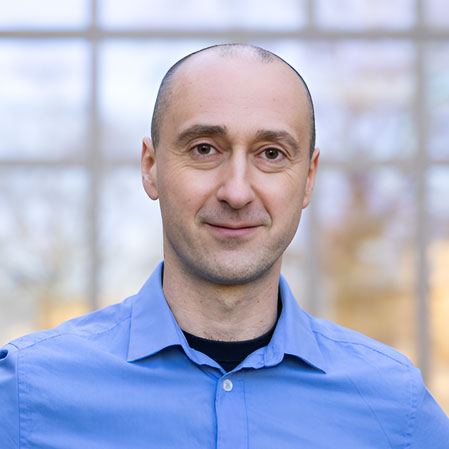
WAF approaches the question of societal futures with a combination of strategic breadth and philosophical depth that sets it apart. The willingness to examine collapse not as failure but as a lens for transformation was especially compelling. I left with a richer understanding of what resilience truly requires.
Danilo Brozović
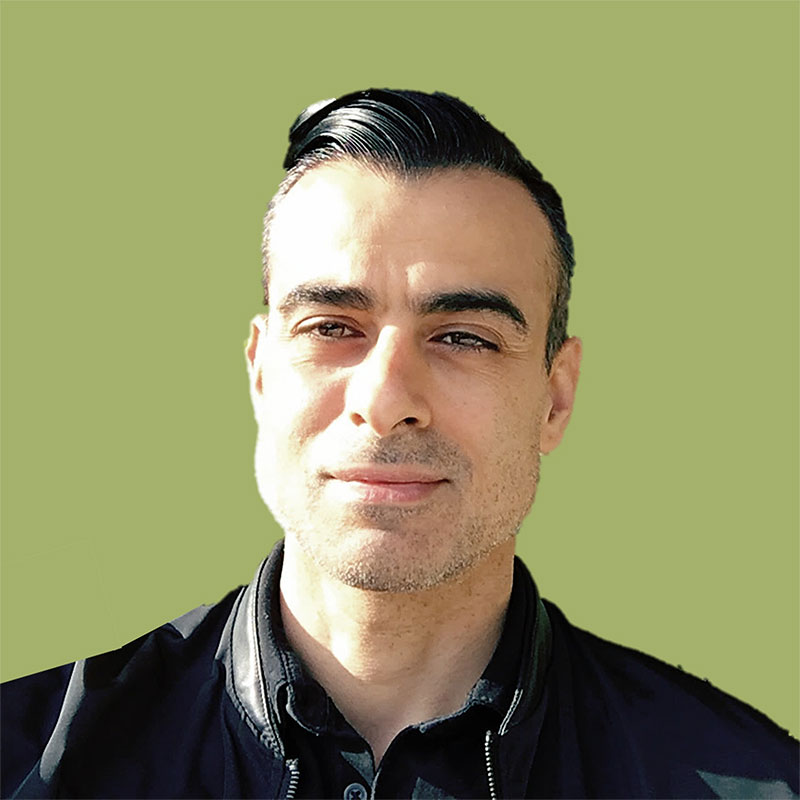
The Forum examines the biological and cultural roots of civilisational dysfunction with a depth that most public discourse cannot accommodate. I appreciated the willingness to question foundational assumptions rather than merely critique their outcomes. WAF creates the conditions for a genuinely different kind of thinking about our situation.
George Tsakraklides
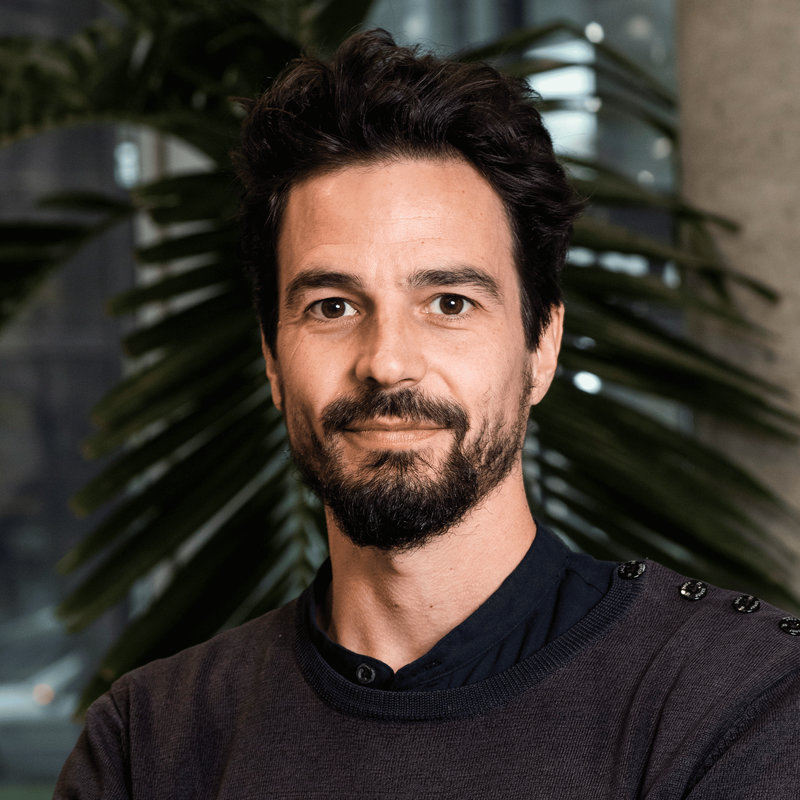
The Forum holds open the question of how communities sustain solidarity when the structures they depend on begin to fail. That question was explored with both scientific grounding and genuine human warmth. WAF offers a space where mutual aid and systemic analysis are treated as inseparable.
Pablo Servigne
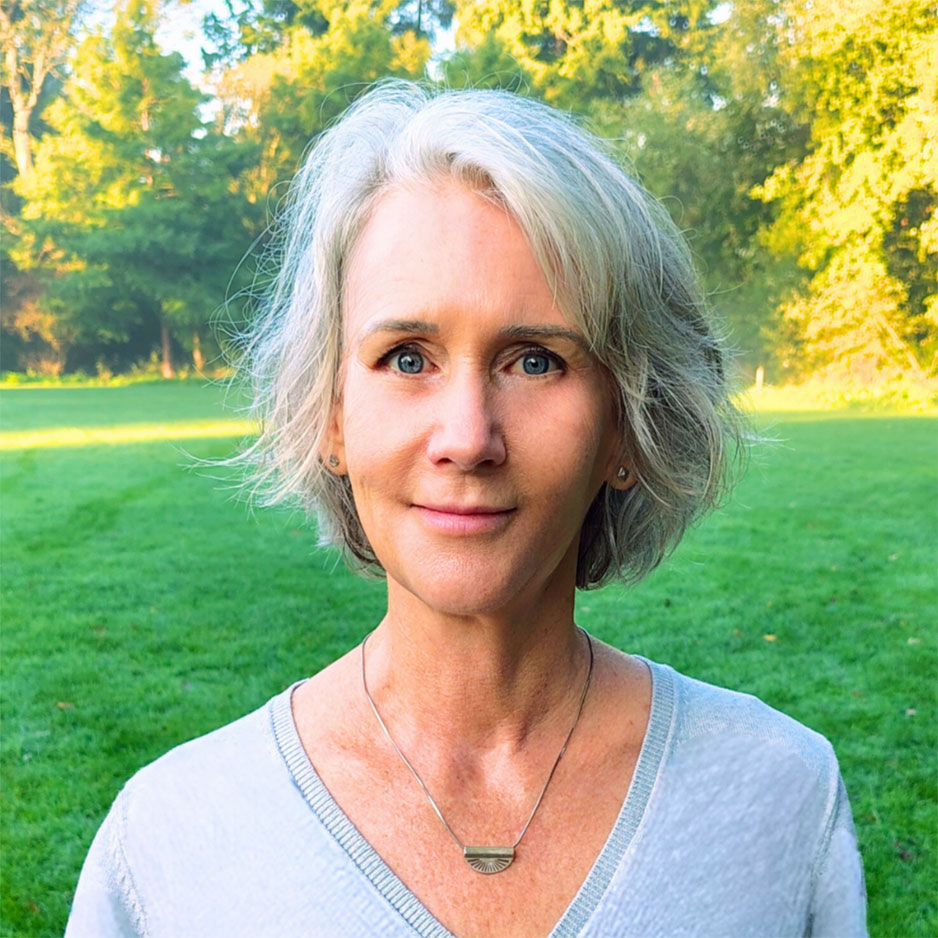
WAF makes room for the grief that accompanies clear-eyed engagement with collapse — and then moves through it toward agency. That emotional presence is not a departure from rigour but a precondition for it. I encountered here a quality of purposefulness that I have rarely found elsewhere.

The World Adaptation Forum offers something rare: authentic dialogue about the systemic crises we face, and how we might live with dignity and purpose through them. The energy, honesty, and solidarity I felt here were unforgettable. It’s a necessary and hopeful gathering.
Raphaël Stevens
WAF engages with transformation not as aspiration but as structural necessity — and does so with precision. The conversations moved between policy, systems design, and lived experience in ways that were genuinely generative. I left with concrete new insights into how stakeholders should assess and respond to cascading disruption.
Sarah Hendel-Blackford
WAF redefines what leadership development means in conditions of deep uncertainty. The Forum connects executive realism with the kind of moral seriousness that most professional environments deliberately avoid. I found it both personally demanding and essential for anyone shaping organisations through the polycrisis.
The Forum gave serious attention to catastrophic food system failure — a risk still underrepresented in global policy. WAF is a great forum for people working on preparedness at a civilisational scale, where open discussion of complex whole-of-humanity issues is the norm. Highly recommended to those engaging with these difficult subjects.
The Forum bridged global systemic risk and the uneven realities of urban transformation in ways too often treated separately. Discussions remained grounded while engaging the structural conditions shaping vulnerability and adaptation. WAF opened genuinely new ways of thinking about just and adaptive urban futures under accelerating uncertainty.
David Jácome-Polit

Participating in WAF was a truly enriching and memorable experience. The scientific discussions were both challenging and respectful, and the overall atmosphere genuinely inspired collaboration across disciplines and perspectives. I found it both intellectually stimulating and personally meaningful.

The Forum balances realism with empathy in a way that very few events truly manage. It’s a unique meeting point for scientists, deep thinkers, and engaged citizens who are brave enough to ask provocative but necessary questions. I left feeling both intellectually challenged and emotionally recharged.
Ferenc Jordán

WAF stands out by directly addressing what many still choose to ignore or avoid. The programme was deeply relevant, the discussions thoughtful and challenging, and the community truly genuine. I wholeheartedly recommend it to anyone working on climate change, systemic risk, or societal resilience.
Kornélia Radics

Péter Buda

The Forum fosters serious, transdisciplinary conversations that are hard to find elsewhere. It’s not about easy answers, but about meaningful questions — and the people willing to ask them. I was truly impressed by the depth and integrity of this event, and would highly recommend it to all.
Iñigo Capellán Pérez

It is rare to attend a conference where collapse is not a taboo but a central theme for honest inquiry. The World Adaptation Forum has created a powerful platform where science, philosophy, and civic responsibility meet. I highly recommend it to anyone ready to confront the future.
Ugo Bardi
Juan García Martínez – Research Manager at Alliance to Feed the Earth in Disasters
Juan Bartolomé García Martínez is a resilience researcher focused on global catastrophic food-system failure. Holding a Master’s degree in Chemical Engineering from the University of Twente (Netherlands), he serves as Research Manager at the Alliance to Feed the Earth in Disasters (ALLFED) and co-founded the Observatorio de Riesgos Catastróficos Globales (ORCG). Over more than five years he has led interventions to support societies under civilisation-scale shocks – especially abrupt sunlight-reduction events and cascading supply-chain failures. He has published over 20 scientific papers on resilient food systems and non-agricultural food production, and has advised policy initiatives including national playbooks for nuclear-winter preparedness.
Willem Naudé – Professor at the RWTH Aachen University
Wim Naudé is Professor of the Economics of Innovation, Trade and Development at RWTH Aachen University, Germany, and Adjunct Professor at the University of Coimbra, Portugal. He has previously worked at Maastricht University, United Nations University and Oxford University. His research asks: Will Prometheus’ gift undo the world? The modern economic system, built on technological innovation and cheap fossil fuels, has transformed into a predatory global capitalism marked by inequality, conflict, and ecological overshoot. His latest books – The Economic Decline of the West: Guns, Oil and Oligarchs and Economic Growth and Societal Collapse – weave together his interests in innovation, trade, development and the habitability of a transforming planet.
Roberta Boscolo – Head of the Climate and Energy Unit at the WMO
Roberta Boscolo is a climate and energy scientist with over twenty years of global experience, specialising in the Water-Energy-Food nexus and the scaling of science-based adaptation and mitigation strategies in support of sustainable development. She holds a degree in Physics and an MSc in Physical Oceanography, and completed advanced climate and energy studies in international organisations and leading institutions. Prior to her current role, she served as Chief of the WMO Liaison Office in New York. Recognised among the Global 50 Women in Sustainability and a Top Voice for the Green Economy, she serves on the Expert Advisory Panel of the The Earthshot Prize category “Fix Our Climate” and is a nominee for the LUCE Award for Legacy Women in Energy.
Maya Frost – Adaptation Activist, and Founder of Collapse Forward
Maya Frost is a creative disruptor helping collapse-aware leaders turn dread into depth, discovery, daring, and doing. Inspired by her early experience of profound loss and her pandemic-era pro bono work, she created Doom to Bloom™, a 30-day process that has transformed the lives of those struggling with devastating grief in 20 countries. In the early 2000s, her playful, eyes-wide-open approach to mindfulness was featured in over 150 media outlets worldwide. In 2009, she took on traditional education in the U.S. in her book, The New Global Student. A happy grandmother of six who has lived in seven countries, Maya is deeply committed to facing profound systemic level collapse with rewilded imagination, enlivened engagement, and joyful collaboration.
George Tsakraklides – Scientist, Systems Thinker and Author on Civilisational Collapse
George Tsakraklides is a scientist and author whose work bridges biology, chemistry, and the social sciences to explore the systemic drivers behind civilisational collapse. Trained in molecular biology, chemistry, food science and earth sciences, his early career focused on consumer research and behavioural analysis for major corporations before turning to independent inquiry. His writing challenges long-standing dogmas across economics, science, anthropology and social studies, opening the way to new understandings of the past that can illuminate the future. He has published six books, including Beyond the Petri Dish, The Unhappiness Machine, and In the Grip of Necrocapitalism, exploring the human condition in times of systemic level crisis.
Florian Ulrich Jehn – Associate Researcher at Center for Critical Computational Studies
Florian Ulrich Jehn is an environmental scientist, systems thinker, and resilience researcher, specialising in food security, climate impacts, and complex civilisational risk. Trained in environmental science with a doctorate in hydrology from Justus-Liebig University Giessen, his work has since expanded to analysing extreme climate scenarios and developing innovative strategies for sustaining global food systems after catastrophic events. He leads research at the Alliance to Feed the Earth in Disasters (ALLFED) as well and authors an ongoing living literature review on societal collapse, bridging scientific research, policy, and public understanding of humanity’s most pressing systemic challenges and sustainable long-term planetary resilience.
David Jacome-Polit – Head of Resilient Development at ICLEI World Secretariat
David Jácome-Polit is an urban resilience strategist and systems thinker, specialising in inclusive and sustainable urban transformation across the Global South and beyond. Trained as an architect, he holds an MSc in Architectural Engineering and Technology in Sustainable Development from TU Delft. With over fifteen years of experience, he has led major resilience and community-driven initiatives that bridge local needs with global agendas. Formerly Metropolitan Director of Resilience and Chief Resilience Officer for Quito, he now serves as Head of Resilient Development at ICLEI – Local Governments for Sustainability organisation, advancing just and transformative urban futures grounded in equity, participation, and long-term profound systemic change.
David Betz – Professor at the King’s College London
David Betz is a war studies scholar and strategic analyst, specialising in insurgency, cyber-warfare and fortifications. He holds a BA and MA from Carleton University and a PhD from the University of Glasgow. For over twenty years he has been based at the Department of War Studies, King’s College London, where he is now Professor of War in the Modern World and leads the Insurgency Research Group. His research covers topics such as Russian military studies, future war, insurgency and counter-insurgency, propaganda and strategic communications, fortifications, and civil wars. He has advised a range of governments including the USA, UK, Canada and Israel, as well as international institutions such as NATO, the UN, and other global organisations.
Danilo Brozović – Associate Professor at the University of Skövde
Danilo Brozović is a business scholar and social scientist from Sweden, specialising in strategic flexibility, sustainability, and the future of complex socio-economic systems. Trained in business administration, his research examines how organisations adapt to disruption and systemic risk, and how narratives of societal collapse and renewal can inform resilient transformation. He bridges management science with futures studies and speculative science fiction, publishing widely in leading international journals, including Futures. His recent work seeks to expand the ethical and creative horizons of sustainability in the twenty-first century, integrating insights from complexity theory, and human imagination to explore pathways toward viable futures.
Gaya Herrington – Vice President of Sustainability Research at Schneider Electric
Gaya Herrington is an internationally known sustainability researcher and postgrowth economist. She believes that true sustainability will not be achieved without transforming our economic system away from an obsession with growth to one that centers around societal and ecological wellbeing. She’s a Club of Rome Member, and holds a Master’s degree in Econometrics (Amsterdam University), and another in Sustainability (Harvard University). Since her peer-reviewed article in Yale’s Journal of Industrial Ecology went viral in 2021, Gaya has been offering a vision for something society would want to do even if it was not faced with impending ecosystem breakdown: re-define the economic purpose to meeting all human needs within planetary boundaries by design.