x
Köszönjük a regisztrációt!
Hamarosan küldjük Önnek a visszaigazolást a megadott e-mail címre.
Addig is, kérjük ossza meg oldalunkat az alábbi lehetőségek egyikén, hogy minél többen értesüljenek a rendezvényünkről!
An international forum for leaders addressing interconnected crises, systemic challenges, the imperative for a new approach, collaborative solutions, and adapting to inevitable consequences.
Click on the picture!

Italy

Netherlands

Hungary

Belgium

United States

Spain

Hungary

Hungary

Hungary
25th April 2025, Friday – Venue: Hamvas and Atrium Hall
| TIME | PROGRAM |
|---|---|
| 08:00 – 09:00 | Registration |
| 09:00 – 09:15 | Opening |
| 09:00 – 09:05 | Zita Borbála Pallavicini – Patron / Casa Pallavicini |
| 09:05 – 09:10 | Barbara Erős – Host / MagNet Bank |
| 09:10 – 09:15 | Balázs Stumpf-Biró – Initiator / Cassandra Program |
| 09:15 – 10:30 | Plenary Session I. – Illusions of Infinite Growth |
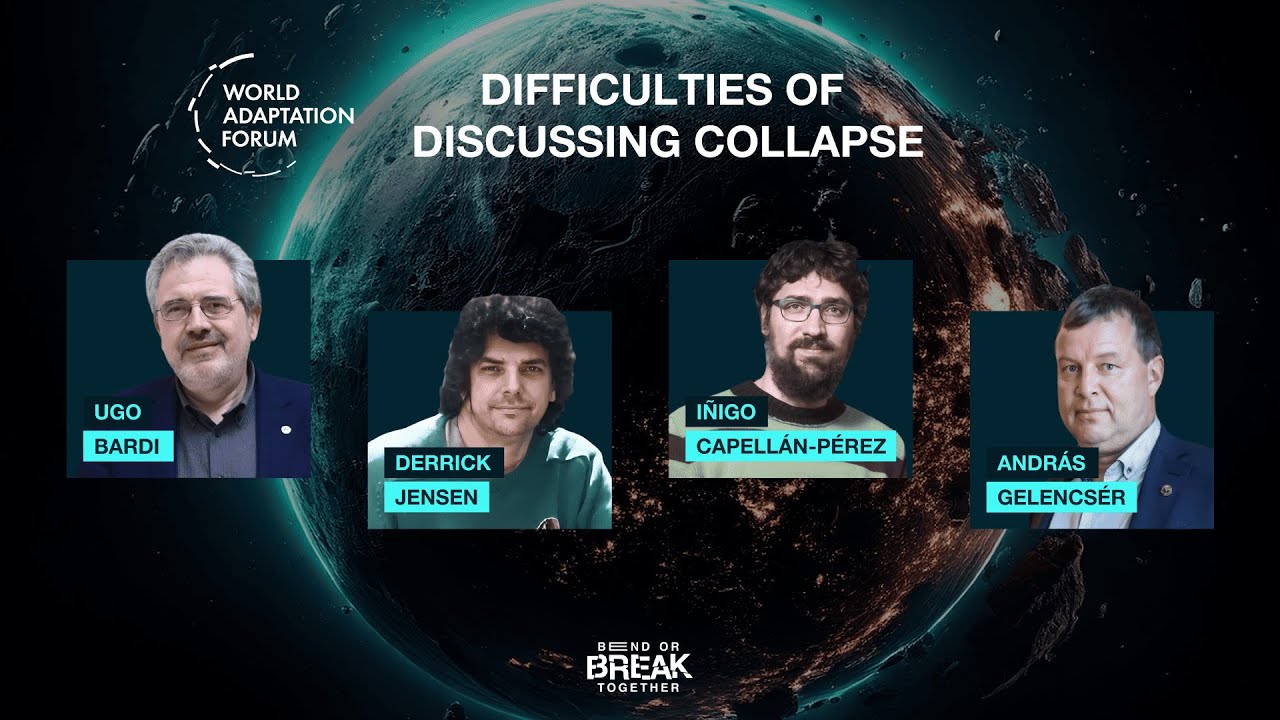
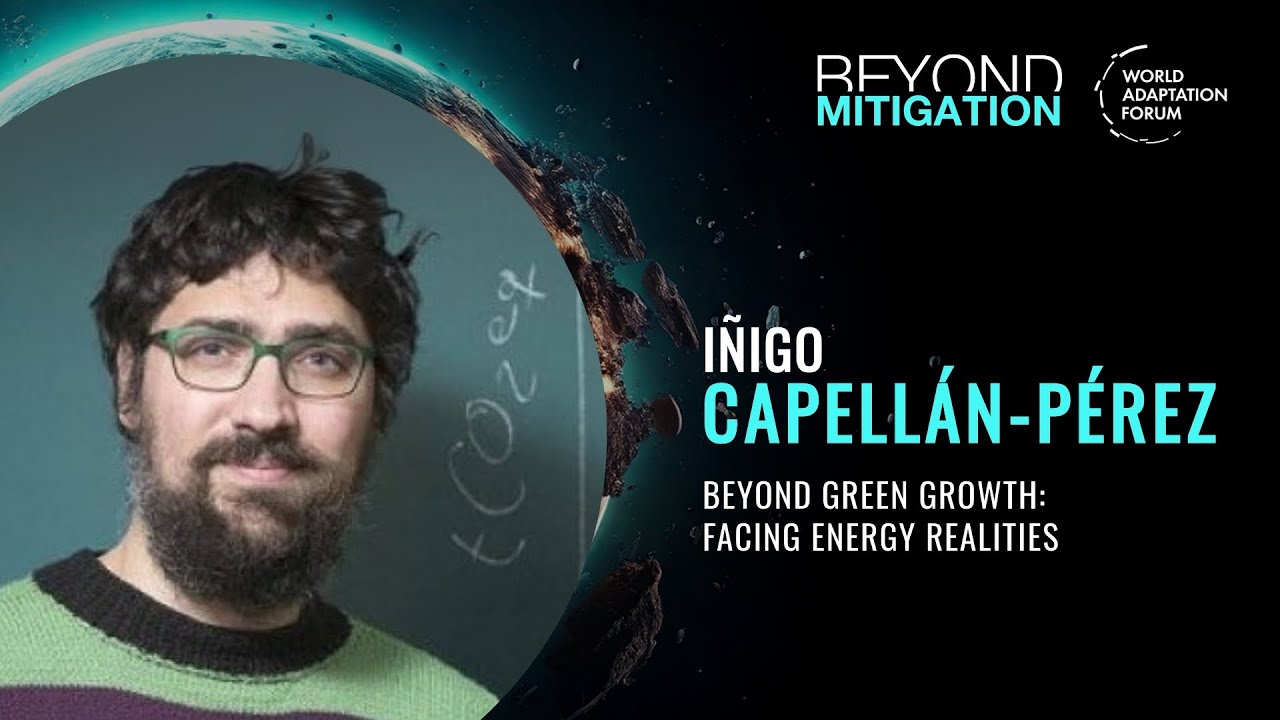
| 09:15 – 09:40 | Iñigo Capellán-Pérez – Beyond Green Growth: Facing Energy Realities |
| 09:40 – 10:05 | András Gelencsér – The Green Transition: Humanity’s Collective Illusion |
| 10:05 – 10:30 | Derrick Jensen – Rewilding the World: Facing the Mantra of „Unlimited” Growth |
| 10:30 – 10:50 | Coffee Break |
| 10:50 – 12:05 | Plenary Session II. – Foundations of Systemic Collapse |
| 10:50 – 11:15 | Ugo Bardi – The Origins of Collapse: From Seneca to Our Times |
| 11:15 – 11:40 | Ferenc Jordán – Breaking Boundaries: The Hacking of Earth’s Ecosystem |
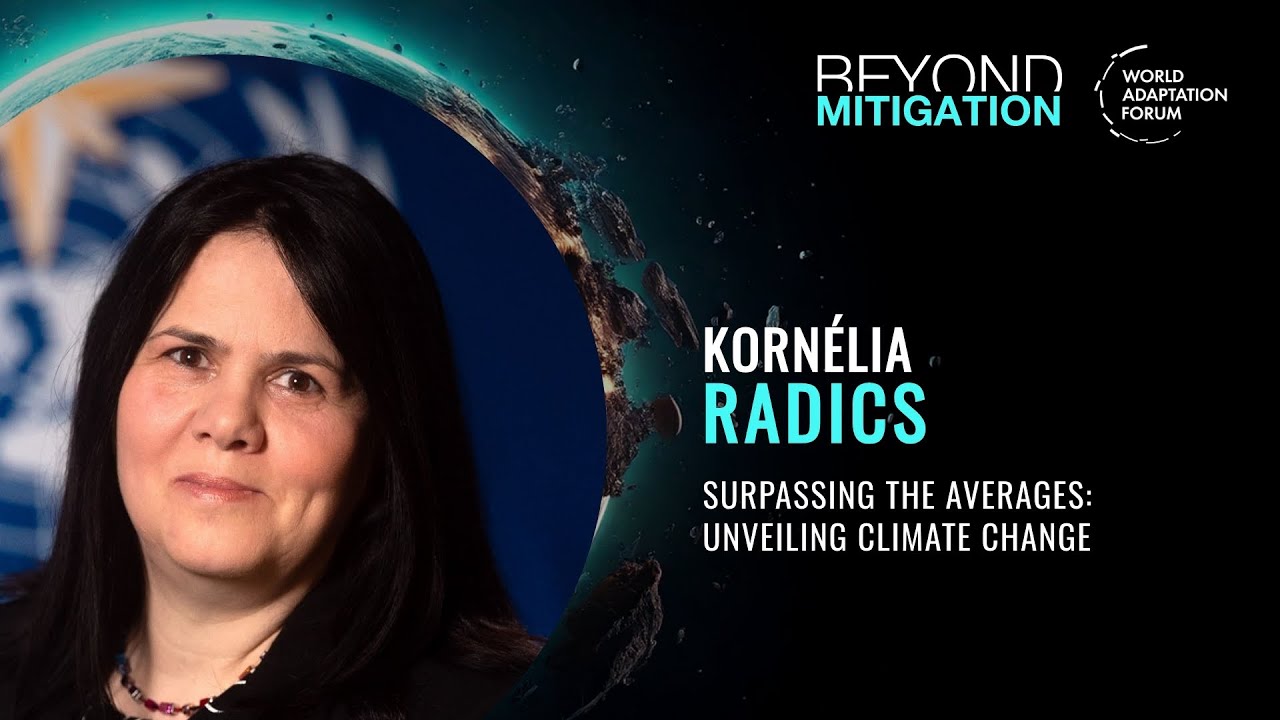
| 11:40 – 12:05 | Kornélia Radics – Surpassing the Averages: Unveiling Climate Change |
| 12:05 – 13:30 | Lunch Break |
| 13:30 – 14:45 | Plenary Session III. – Adapting to a Collapsing World |
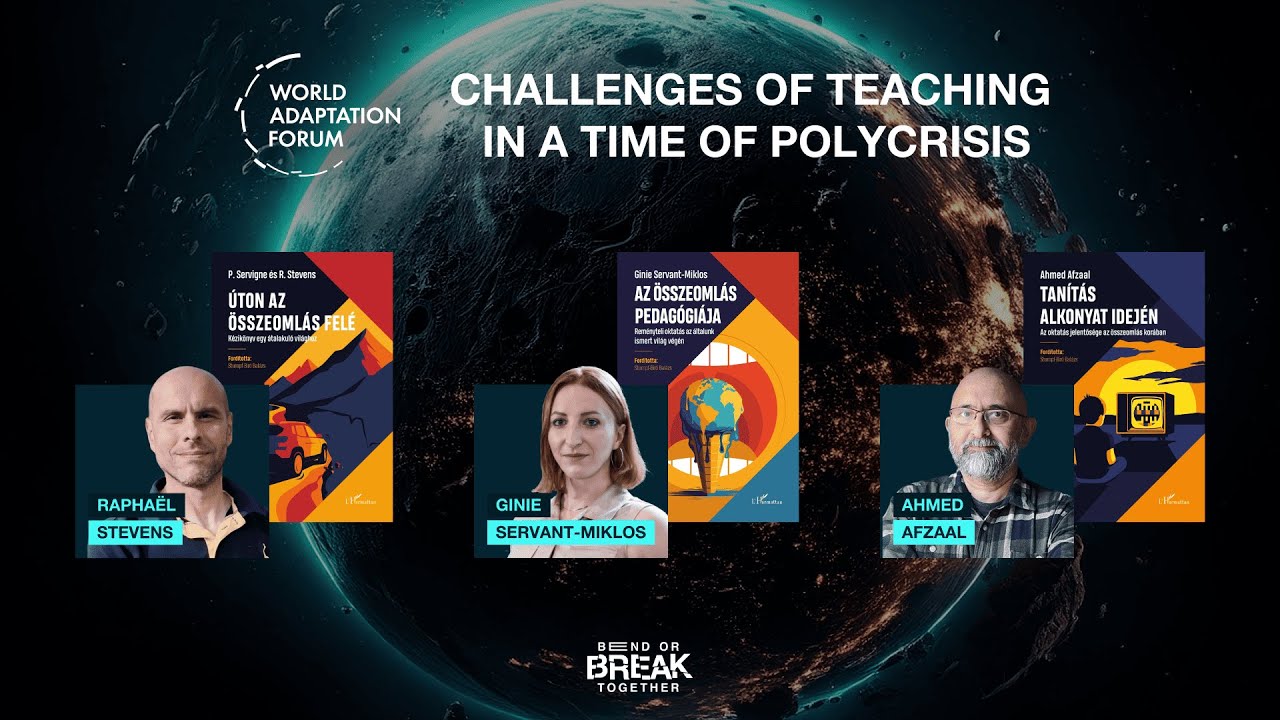
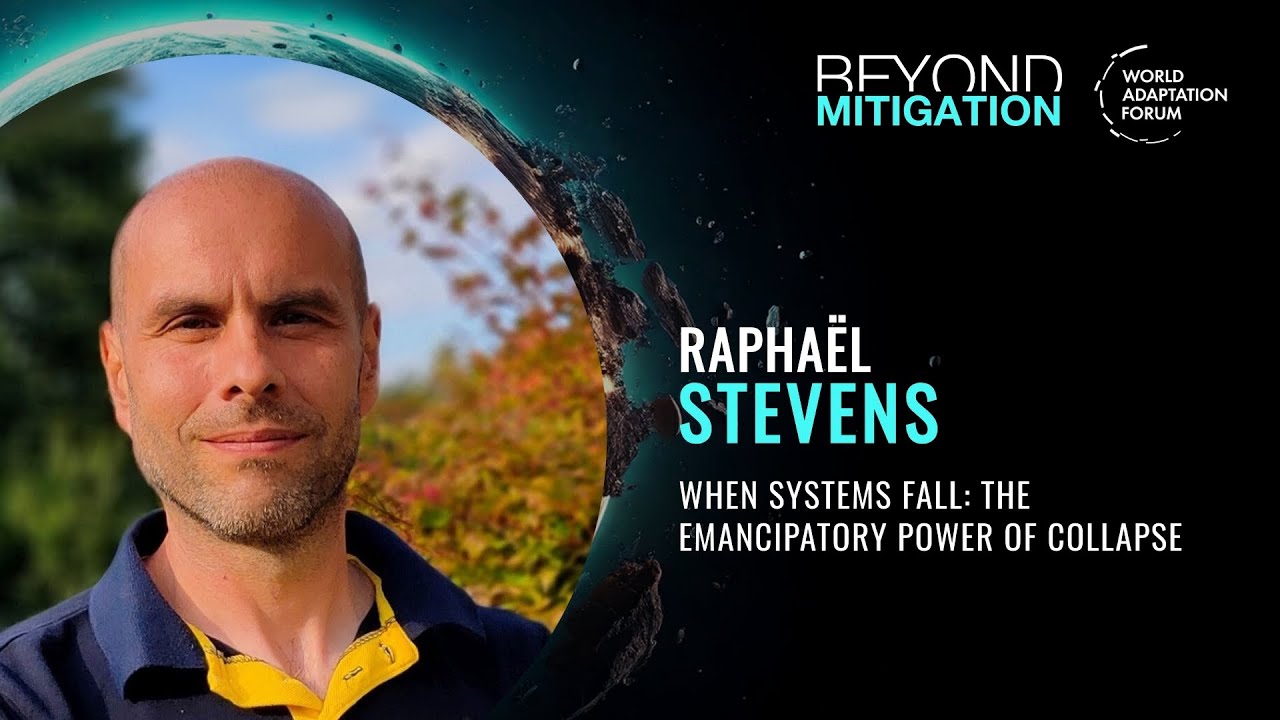
| 13:30 – 13:55 | Raphaël Stevens – When Systems Fall: The Emancipatory Power of Collapse |
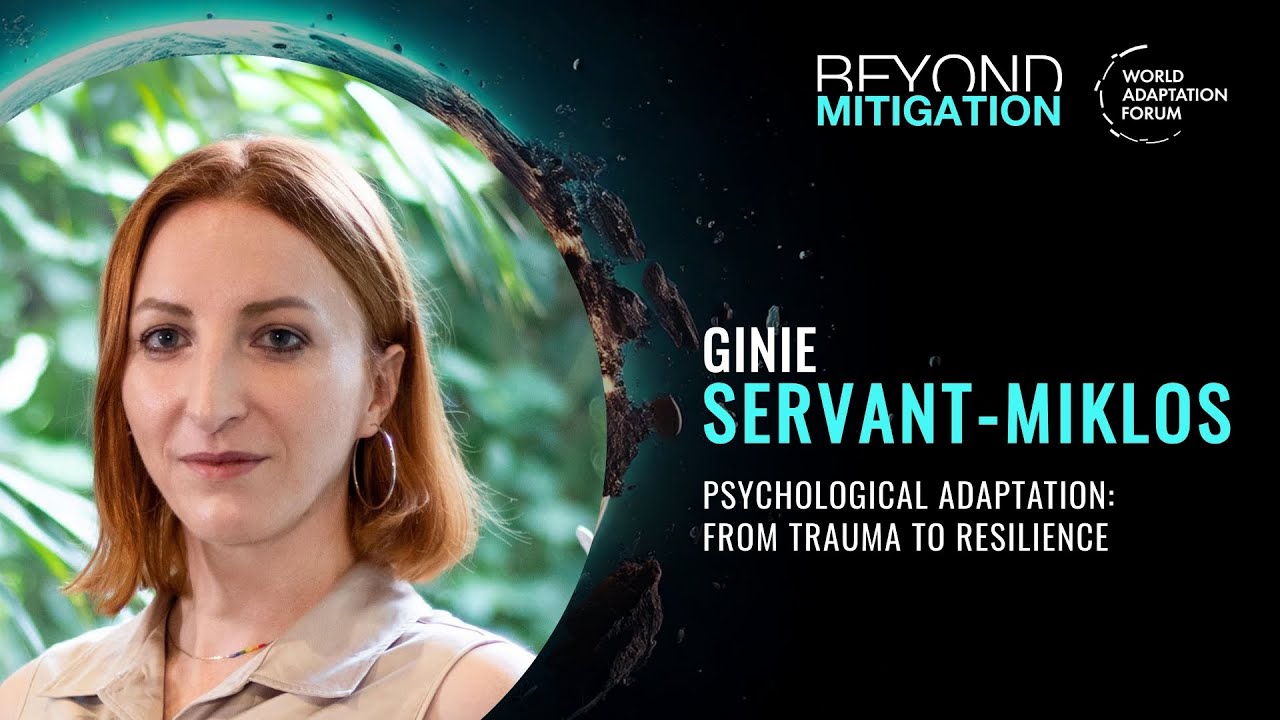
| 13:55 – 14:20 | Ginie Servant-Miklos – Psychological Adaptation: From Trauma to Resilience |
| 14:20 – 14:45 | Péter Buda – Sinister Synergies: The Security Context of Adaptation Challenges |
| 14:45 – 15:05 | Coffee Break |
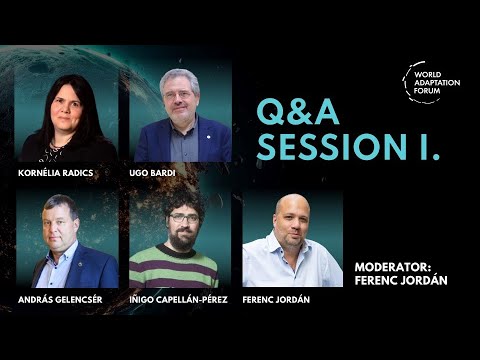
| 15:05 – 16:00 | Q&A Session I. – Iñigo Capellán-Pérez, András Gelencsér, Ugo Bardi, Kornélia Radics, Ferenc Jordán |
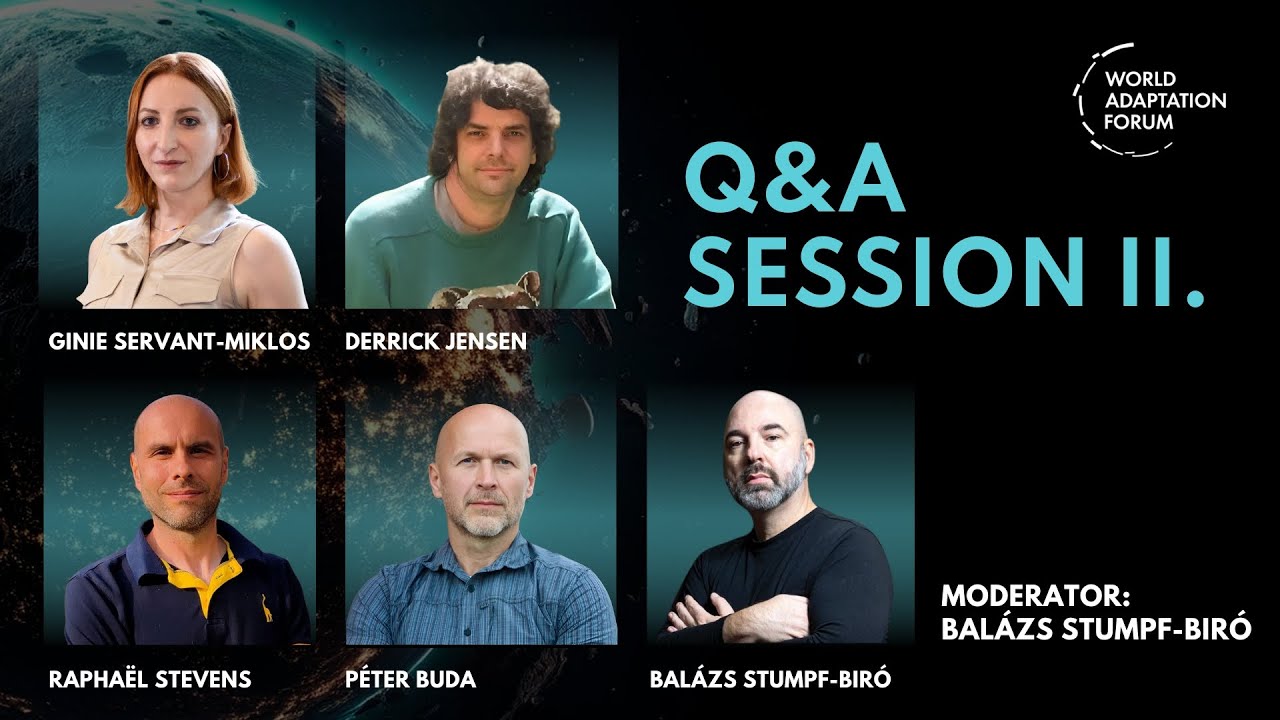
| 16:00 – 17:00 | Q&A Session II. – Derrick Jensen, Raphaël Stevens, Ginie Servant-Miklos, Péter Buda, Balázs Stumpf-Biró |
Iñigo Capellán-Pérez – Principal Investigator at the University of Valladolid
Iñigo Capellán-Pérez is an Industrial Engineer with a double degree from the University of Valladolid and ENSAM-Arts-et-Métiers (France). Master in Electric Energy and Sustainable Development and PhD in Economics „Development and Application of Environmental Integrated Assessment Modelling towards Sustainability” at the University of the Basque Country (2016). His research focuses on analyzing and modelling energy-economy-environment systems using System Dynamics. His main areas of study include the transition to renewable energy amid fossil fuel depletion and climate change, techno-sustainable limits of renewables, the net energy and material requirements of this transition, and the technical and social transformations needed for sustainability.
Raphaël Stevens – Eco-Adviser and a Fellow Researcher at the Momentum Institute
Raphaël Stevens is a Belgian researcher exploring societal collapse, and pathways to renewal at the Momentum Institute in Paris. He is the author of several books including the international bestsellers „How Everything Can Collapse” (Seuil, 2015 with P. Servigne) where the term ‘collapsology’ was first introduced, and „Another End of the World is Possible” (Seuil, 2018, with P. Servigne and G. Chapelle). With a degree in Eco-Counselling and an MSc in Holistic Science from Schumacher College, he bridges theory and practice through public lectures, workshops, and socio-ecological activism through curated exhibitions in cultural venues. His research combines complexity thinking and post-normal science to explore regenerative futures beyond collapse.
Ginie Servant-Miklos – Assistant Professor at the Erasmus University Rotterdam
Ginie Servant-Miklos is an engaged environmental educator with fifteen years of experiencein education practice, research, and advocacy. She currently holds an Assistant Professorship in behavioural sciences at the Erasmus School of Social and Behavioural. Her research and education work focuses on developing innovative pedagogies for societal impact. She developed the Experimental Pedagogics educational design framework, co-founded the Bildung Climate School with Prof. Rutger Engels, and is the author of Pedagogies of Collapse: A Hopeful Education for the End of the World as We Know It. She is a Senior Fellow of the Comenius Network for educational innovators, and the chair and founder of the FairFight Foundation, a women’s empowerment charity.
Ugo Bardi – Professor Emeritus at the University of Florence
Ugo Bardi is a former lecturer in physical chemistry at the University of Firenze, Italy. He is now active as a full member of the executive committee of the Club of Rome, a fellow of the World Academy for Art and Sciences and the Italian Society of System Dynamics Executive Committee. His research is dedicated to ecosystemic trends, climate change, resource depletion, energy circulation, and system dynamics modelling. His most recent book is „Exterminations – Preparing for the Unthinkable” (2024) and he is working at a new book titled „The End of Overpopulation”. He writes on his blogs „The Seneca Effect” and „The Living Earth”, where he examines the collapse of complex systems and the current modifications of the ecosystem created by human activity.
Derrick Jensen – Eco-philosopher, writer, and co-founder of the Deep Green Resistance Movement
Derrick Jensen is an American writer and environmentalist in the anarcho-primitivist tradition, though he rejects the label „anarchist”. Utne Reader named Jensen among „50 Visionaries Who Are Changing the World”, and he has been called „the poet-philosopher of the ecology movement”. Jensen is the author of more than twenty books including Endgame Vols. 1 & 2, The Culture of Make Believe, The Myth of Human Supremacy, and more. He is the co-author of Bright Green Lies and Deep Green Resistance. He holds a degree in creative writing from Eastern Washington University, a degree in mineral engineering physics from the Colorado School of Mines and has taught at Eastern Washington University. He is coming to Budapest as part of his 2025 European tour.
Kornélia Radics – Director of the Regional Office for Europe at the World Meteorological Organization
Kornélia Radics joined the WMO as Director of the Regional Office for Europe in 2023. Between 2013-2022 she was the President of the Hungarian Meteorological Service, and she served as the Permanent Representative of Hungary with WMO, EUMETSAT and ECMWF. She was also the President of WMO Regional Association VI and the Chair of the Aviation Advisory Committee of EUMETNET. Under her leadership the Hungarian Meteorological Service undertook an extensive modernization process and implemented free and open meteorological data policy. With 30 years of experience in operational and applied meteorology, climate change and multilateral diplomacy she brings a wealth of knowledge. She holds MSc in Meteorology, MSc in Astronomy, and PhD in Earth Sciences.
Péter Buda – Researcher at the Geneva Graduate Institute
Peter Buda is a former senior counter-intelligence officer with an academic background in applied history, intelligence studies, international relations, and religious studies. He has been studying the relationship between the collapse of civilisation and national security for some two decades. His intelligence studies have included research on different scenarios of US grand strategy and the impact of these scenarios on the security implications of climate change. In particular, he is interested in the human drivers of security issues, i.e., the mental dimensions (bias, miscalculation, panic, etc.) that may contribute to the escalation of pre-existing challenges and the inaccuracy of our predictions of malfunctions of our complex adaptive systems.
Ferenc Jordán – Researcher at the Institute for Biological Research in Cluj-Napoca
Ferenc Jordán is biologist focusing on systems ecology. By ecological network analysis he studies the food webs of multi-species ecological communities, marine overfishing, habitat connectivity and animal social networks. He is involved in highly multidisciplinary activities with various scientists and artists. He was Branco Weiss Fellow of the Society in Science foundation in Zürich, Switzerland, Fellow at Wissenschaftskolleg zu Berlin in Germany and Principal Investigator at University of Parma in Italy. Currently he leads his research group in Cluj-Napoca, and he is external associate at the Stazione Zoologica in Naples, Italy. Increasingly involved in science communication, he is highly interested in the future of our species on this planet.
András Gelencsér – Rector Emeritus of the University of Pannonia
András Gelencsér is an air chemist, professor, corresponding member of the Hungarian Academy of Sciences, former rector of the University of Pannonia, and internationally renowned researcher on the links between air pollution and climate change. His main research interests are atmospheric chemistry related to air pollution and climate change, in particular atmospheric aerosol chemistry. He was the first to identify the process of humus formation in the atmosphere. His article with the director of the Max Planck Institute for Biogeochemistry has become one of the most cited publications in the field. He published a monograph on carbonic aerosol in the Dutch Springer. To date, more than 4200 independent references have been made to his scientific papers.
Juan García Martínez – Research Manager at Alliance to Feed the Earth in Disasters
Juan Bartolomé García Martínez is a resilience researcher focused on global catastrophic food-system failure. Holding a Master’s degree in Chemical Engineering from the University of Twente (Netherlands), he serves as Research Manager at the Alliance to Feed the Earth in Disasters (ALLFED) and co-founded the Observatorio de Riesgos Catastróficos Globales (ORCG). Over more than five years he has led interventions to support societies under civilisation-scale shocks – especially abrupt sunlight-reduction events and cascading supply-chain failures. He has published over 20 scientific papers on resilient food systems and non-agricultural food production, and has advised policy initiatives including national playbooks for nuclear-winter preparedness.
Willem Naudé – Professor at the RWTH Aachen University
Wim Naudé is Professor of the Economics of Innovation, Trade and Development at RWTH Aachen University, Germany, and Adjunct Professor at the University of Coimbra, Portugal. He has previously worked at Maastricht University, United Nations University and Oxford University. His research asks: Will Prometheus’ gift undo the world? The modern economic system, built on technological innovation and cheap fossil fuels, has transformed into a predatory global capitalism marked by inequality, conflict, and ecological overshoot. His latest books – The Economic Decline of the West: Guns, Oil and Oligarchs and Economic Growth and Societal Collapse – weave together his interests in innovation, trade, development and the habitability of a transforming planet.
Roberta Boscolo – Head of the Climate and Energy Unit at the WMO
Roberta Boscolo is a climate and energy scientist with over twenty years of global experience, specialising in the Water-Energy-Food nexus and the scaling of science-based adaptation and mitigation strategies in support of sustainable development. She holds a degree in Physics and an MSc in Physical Oceanography, and completed advanced climate and energy studies in international organisations and leading institutions. Prior to her current role, she served as Chief of the WMO Liaison Office in New York. Recognised among the Global 50 Women in Sustainability and a Top Voice for the Green Economy, she serves on the Expert Advisory Panel of the The Earthshot Prize category “Fix Our Climate” and is a nominee for the LUCE Award for Legacy Women in Energy.
Maya Frost – Adaptation Activist, and Founder of Collapse Forward
Maya Frost is a creative disruptor helping collapse-aware leaders turn dread into depth, discovery, daring, and doing. Inspired by her early experience of profound loss and her pandemic-era pro bono work, she created Doom to Bloom™, a 30-day process that has transformed the lives of those struggling with devastating grief in 20 countries. In the early 2000s, her playful, eyes-wide-open approach to mindfulness was featured in over 150 media outlets worldwide. In 2009, she took on traditional education in the U.S. in her book, The New Global Student. A happy grandmother of six who has lived in seven countries, Maya is deeply committed to facing profound systemic level collapse with rewilded imagination, enlivened engagement, and joyful collaboration.
George Tsakraklides – Scientist, Systems Thinker and Author on Civilisational Collapse
George Tsakraklides is a scientist and author whose work bridges biology, chemistry, and the social sciences to explore the systemic drivers behind civilisational collapse. Trained in molecular biology, chemistry, food science and earth sciences, his early career focused on consumer research and behavioural analysis for major corporations before turning to independent inquiry. His writing challenges long-standing dogmas across economics, science, anthropology and social studies, opening the way to new understandings of the past that can illuminate the future. He has published six books, including Beyond the Petri Dish, The Unhappiness Machine, and In the Grip of Necrocapitalism, exploring the human condition in times of systemic level crisis.
Florian Ulrich Jehn – Associate Researcher at Center for Critical Computational Studies
Florian Ulrich Jehn is an environmental scientist, systems thinker, and resilience researcher, specialising in food security, climate impacts, and complex civilisational risk. Trained in environmental science with a doctorate in hydrology from Justus-Liebig University Giessen, his work has since expanded to analysing extreme climate scenarios and developing innovative strategies for sustaining global food systems after catastrophic events. He leads research at the Alliance to Feed the Earth in Disasters (ALLFED) as well and authors an ongoing living literature review on societal collapse, bridging scientific research, policy, and public understanding of humanity’s most pressing systemic challenges and sustainable long-term planetary resilience.
David Jacome-Polit – Head of Resilient Development at ICLEI World Secretariat
David Jácome-Polit is an urban resilience strategist and systems thinker, specialising in inclusive and sustainable urban transformation across the Global South and beyond. Trained as an architect, he holds an MSc in Architectural Engineering and Technology in Sustainable Development from TU Delft. With over fifteen years of experience, he has led major resilience and community-driven initiatives that bridge local needs with global agendas. Formerly Metropolitan Director of Resilience and Chief Resilience Officer for Quito, he now serves as Head of Resilient Development at ICLEI – Local Governments for Sustainability organisation, advancing just and transformative urban futures grounded in equity, participation, and long-term profound systemic change.
David Betz – Professor at the King’s College London
David Betz is a war studies scholar and strategic analyst, specialising in insurgency, cyber-warfare and fortifications. He holds a BA and MA from Carleton University and a PhD from the University of Glasgow. For over twenty years he has been based at the Department of War Studies, King’s College London, where he is now Professor of War in the Modern World and leads the Insurgency Research Group. His research covers topics such as Russian military studies, future war, insurgency and counter-insurgency, propaganda and strategic communications, fortifications, and civil wars. He has advised a range of governments including the USA, UK, Canada and Israel, as well as international institutions such as NATO, the UN, and other global organisations.
Danilo Brozović – Associate Professor at the University of Skövde
Danilo Brozović is a business scholar and social scientist from Sweden, specialising in strategic flexibility, sustainability, and the future of complex socio-economic systems. Trained in business administration, his research examines how organisations adapt to disruption and systemic risk, and how narratives of societal collapse and renewal can inform resilient transformation. He bridges management science with futures studies and speculative science fiction, publishing widely in leading international journals, including Futures. His recent work seeks to expand the ethical and creative horizons of sustainability in the twenty-first century, integrating insights from complexity theory, and human imagination to explore pathways toward viable futures.
Gaya Herrington – Vice President of Sustainability Research at Schneider Electric
Gaya Herrington is an internationally known sustainability researcher and postgrowth economist. She believes that true sustainability will not be achieved without transforming our economicsystem away from an obsession with growth to one that centers around societal and ecological wellbeing. She’s a Club of Rome Member, and holds a Master’s degree in Econometrics (Amsterdam University), and another in Sustainability (Harvard University). Since her peer-reviewed article in Yale’s Journal of Industrial Ecology went viral in 2021, Gaya has been offering a vision for something society would want to do even if it was not faced with impending ecosystem breakdown: re-define the economic purpose to meeting all human needs within planetary boundaries by design.